No Pain, No gain: Amateur Sports Pushing The Edge
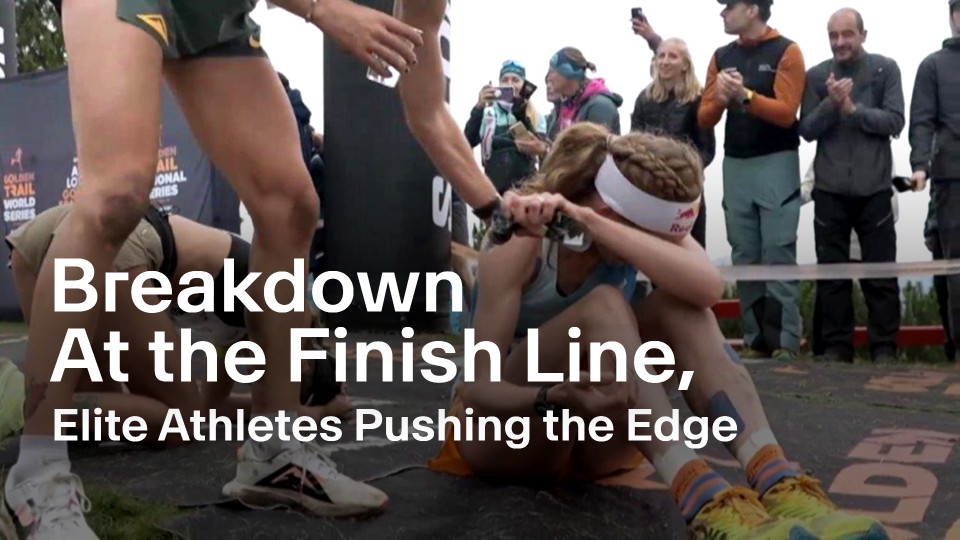
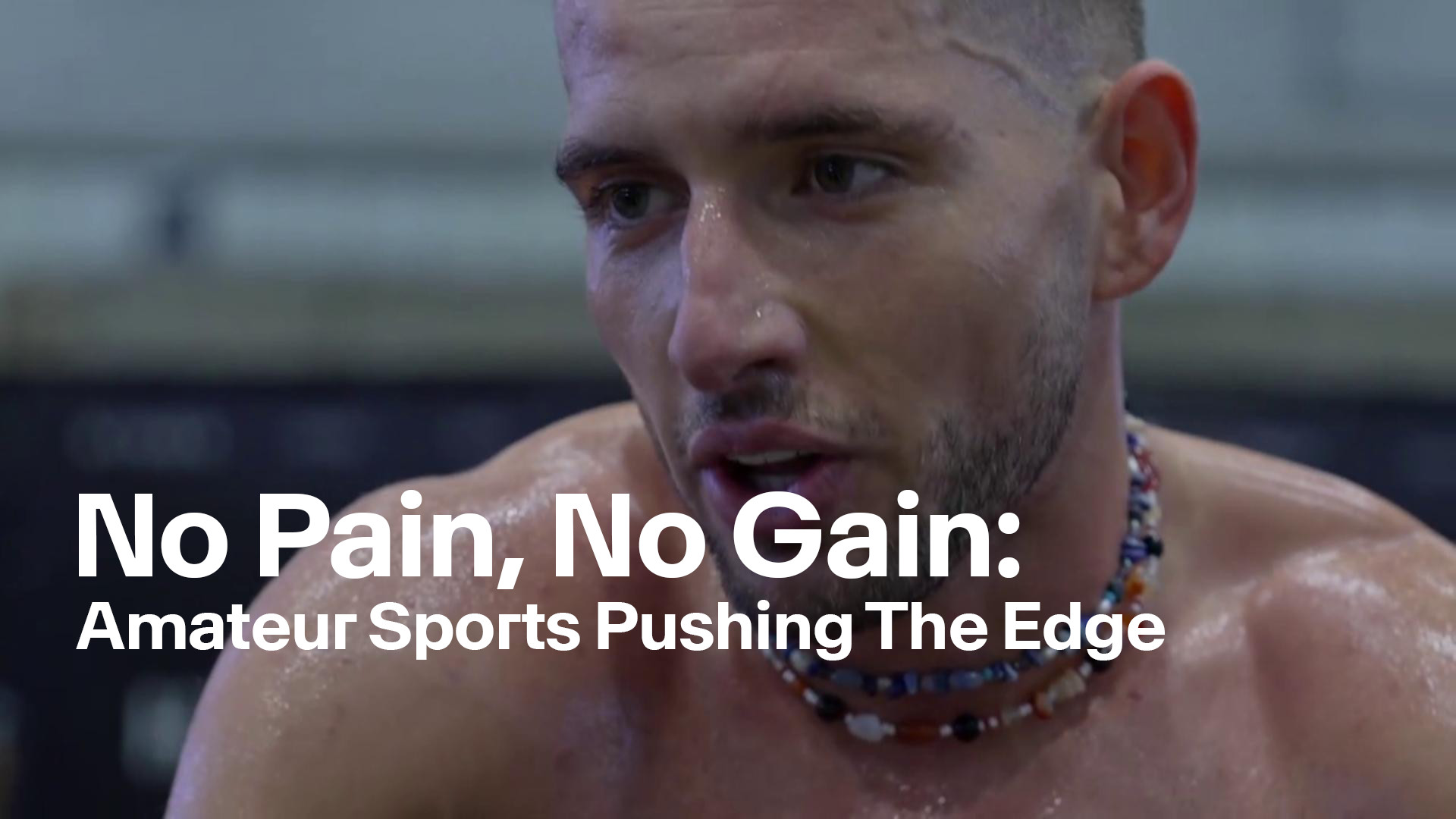
Ultra-trail, Ironman, Hyrox, Street workout: what's behind this quest for self-transcendence that leads athletes to push the envelope and ever more raise the bar? Sport is good for health, sure, yet the ultra-competitiveness sweeping through amateur sports raises questions. The personal journey, challenges and iron discipline of all the athletes we interviewed testify to the impact and central role that sport plays in their lives. However, the risks of addiction, injury, and social isolation are also real: : up to 15% of athletes might be hooked on their sport. A concern that seems to pale in comparison to the commercial muscle of an industry built on glorifying individual performances and their exposure on social media.
Filming Locations
La Réunion, France (Diagonale des Fous, 175 km ultra-trail)
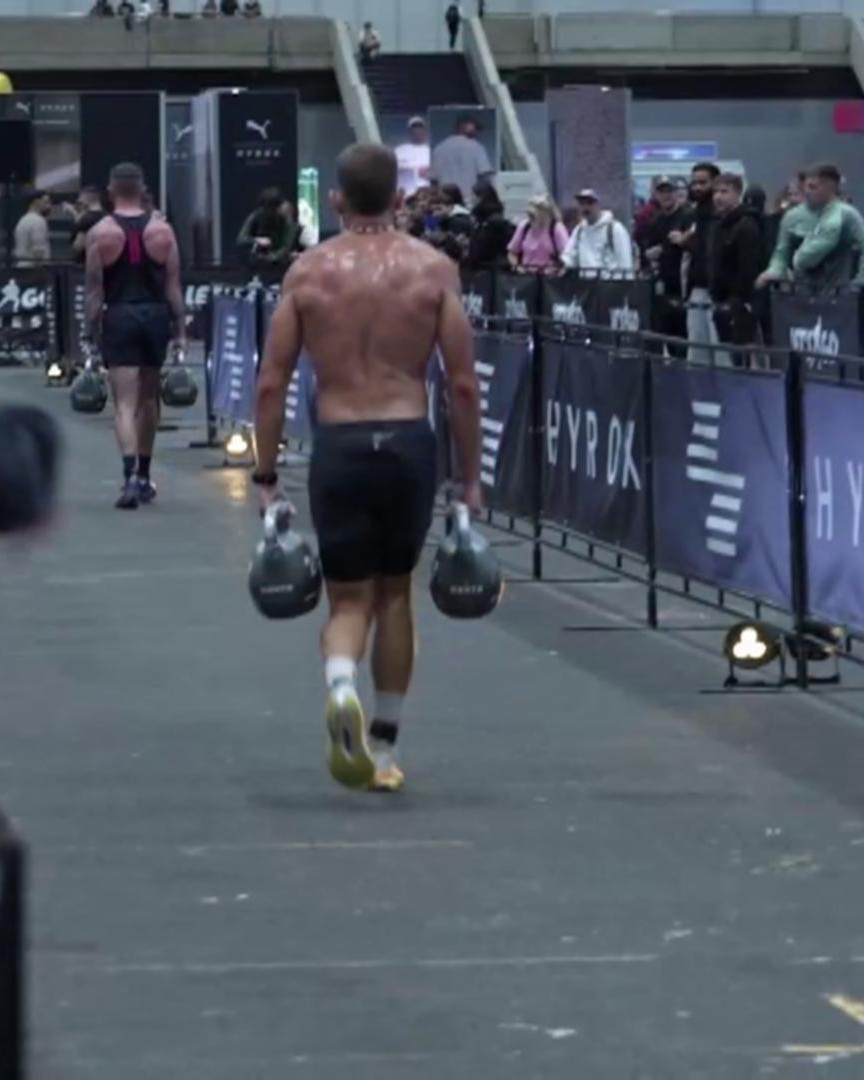
Palexpo, Geneva (Hyrox competition)
Rome, Italy (half-marathon)
Lausanne, Switzerland (marathon)
Main Contributors
Gaëlle, Joséphine, Matteo: seasoned athletes.
Jasper McDowell, sports coach and marathon runner.
Boris Gojanovic, sports physician at Hôpital de la Tour.
Daniel Zullino, psychiatrist and director of the HUG addiction service.
Frédéric Grappe, sports trainer.
Colin Mota, sports influencer.
Key Issues
The explosion of extreme sports practices leads to increased physical and psychological risks: bigorexia, injuries, family isolation.
Social media and marketing pley key roles in promoting self-transcendence and extreme sports practices.
Key Figures
Hyrox Geneva: 9,000 spots sold in two days for the first edition, at 125 euros per bib.
10 to 15% of people practicing sport daily are affected by bigorexia, sports addiction.
Quotes
Boris Gojanovic: "Someone told me: 'I don't do extreme stuff, just 80-kilometer trails, no more'. Ten years ago, that answer would have been unthinkable."
Frédéric Grappe: "If you don't know how to stop, your body will stop you."
Related Titles