
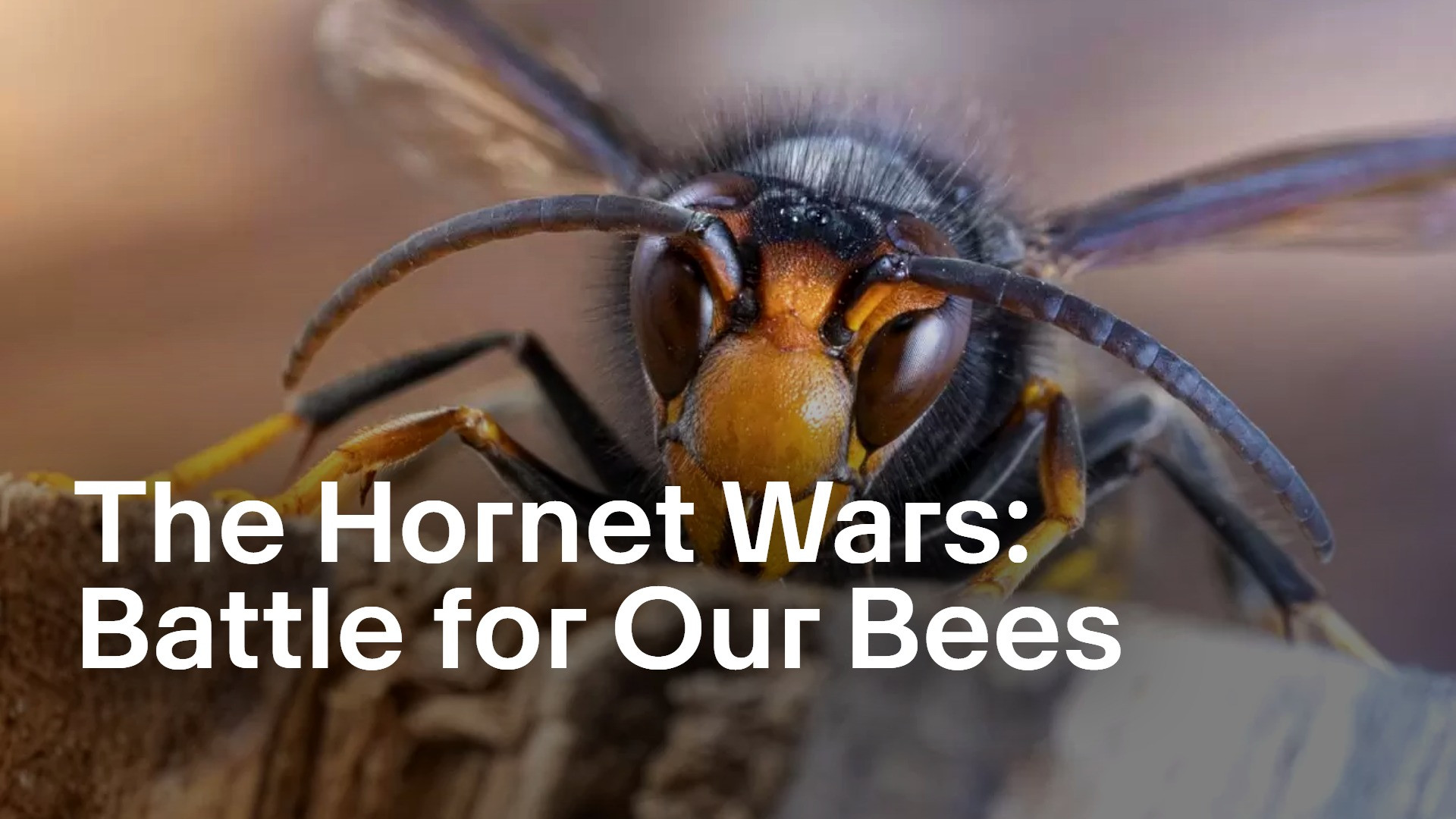
The Hornet Wars, Battle For Our Bees
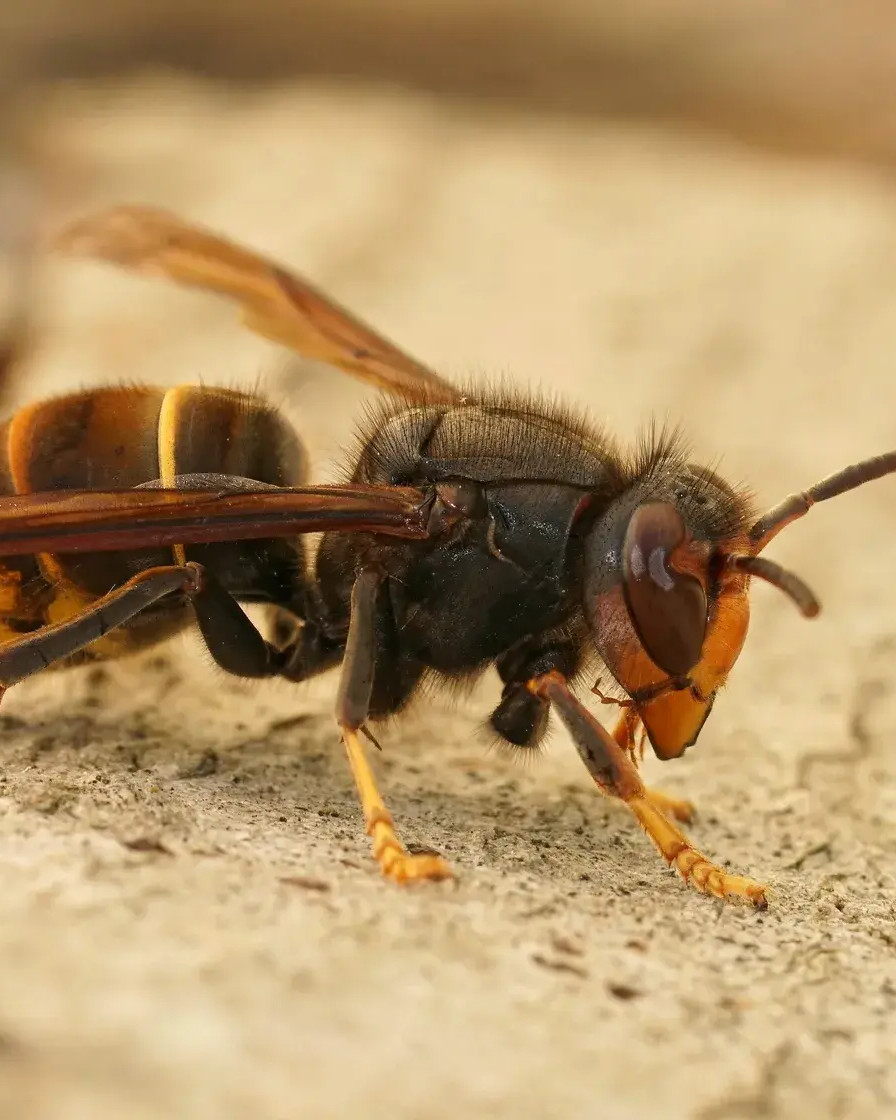
How can we stop the Asian hornet from wreaking havoc on biodiversity? After France and Spain, Estern Europe has found in the hornet a new ennemy. The invasive species is spreading like wildfire: each nest left undestroyed releases hundreds of founding queens. Every year, they conquer another 80 kilometers of territory. Pierre-Alain, a passionate beekeeper, has watched his hives decimated in a matter of days. Kevin has lost 7 colonies in a single month. In France, after 20 years of invasion, Étienne has witnessed the full extent of the damage to the ecosystem. In the face of this catastrophe, scientists have long been sounding the alarm about the urgent need for action, while politicians drag their feet. This report shot in France and Switzerland dives into the heart of an ecological battle where citizens, beekeepers, and nest hunters fight against a predator threatening our food security
Filming Locations
Jura, Switzerland (testimonies from attacked individuals; headquarters of the International Centre for Invasive Species).
Switzerland (operations carried out by the Pollini Action association; nest destruction in urban areas).
Bordeaux Region, France (origin of the European invasion in 2004, mentioned).
France (fieldwork experience with Étienne Roux Malak; testimonies from beekeepers and victims).
Galicia, Spain (vineyards abandoned due to the hornet, mentioned).
Main Contributors
Pierre-Alain Furst, biologist, beekeeper, and member of the Dare-Dare association.
Luca Rossi, entomologist at the International Centre for Agriculture and Bioscience (CABI).
Daniel Cherix, entomologist.
Kevin Golay, vice president of the Pollini Action association in Geneva.
Étienne Roux Malak, pest control specialist in the Bordeaux region, France.
Main Issues
Rapid expansion of the Asian hornet in Switzerland since 2017, with a fourfold increase in the number of nests between 2024 and 2025.
Multiple threats to biodiversity, beekeeping, and public safety due to dangerous attacks.
Insufficient political response, notably because the hornet is considered less threatening than the Asian tiger mosquito, which transmits dangerous contagious diseases.
Key Figures
A fourfold increase in the number of nests between 2024 and 2025.
Voiceover: The Asian hornet expands its territory by roughly 80 kilometers (50 miles) each year.
Luca Rossi: "The Asian hornet feeds on nearly 1,500 different insect species. It is one of the most dangerous predators to biodiversity."
Quotes
Daniel Cherix, entomologist: "Back in 2013, I already wrote a text saying: 'Watch out, once the Asian hornet arrives, we will have problems.' No one wanted to tackle the issue."
Luca Rossi: "The Asian hornet is the worst species we could possibly have in the ecosystem."
Daniel Cherix, entomologist: "The giant Asian hornet spotted in Spain causes more harm by killing people than by eating bees. That hornet would be a catastrophe for the population and for beekeeping."
Related Titles


